Bloomberg
4 minutes

Walmart’s win doesn’t mean retailers can relax
Bloomberg
August 22, 2025
Walmart Inc., TJX Cos Inc. and Lowes Cos. each upgraded their forecasts this week; Home Depot Inc. returned to sales growth. All the good news means the retail sector is doing fine, right?
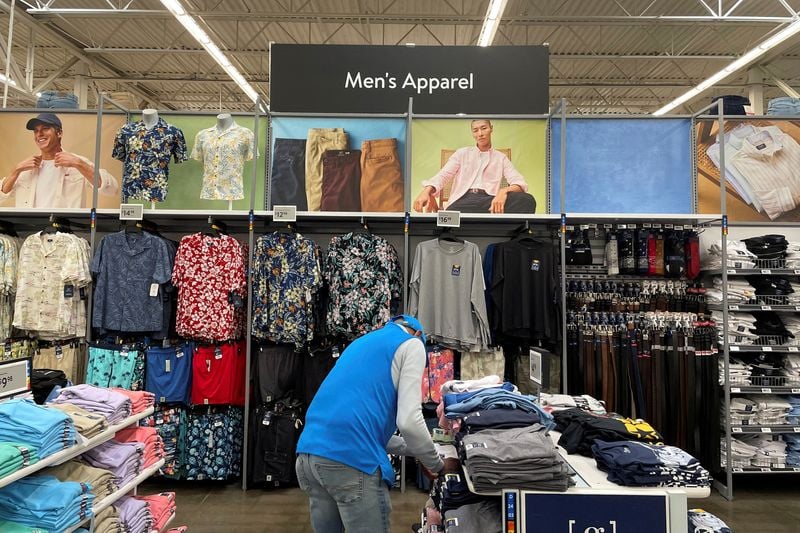
Not exactly. So far, the second-quarter earnings season is painting a picture of an environment where it’s possible for retailers to succeed — but only if they’re delivering excellent value for money (or at least a product so good that consumers don’t mind paying a premium).
Walmart said on Thursday that it expected net sales to rise 3.75% to 4.75% this financial year, compared with its previous forecast of a 3% to 4% increase.
The world’s biggest retailer should be doing well in this landscape. It has the scale and supplier network to deliver the most competitive prices. It also has some high-margin businesses, including its advertising, marketplace and Amazon Prime-like membership program Walmart Plus. This combination should create a virtuous circle, whereby it can invest superior profits in offering even lower prices on essentials.
But it’s a significant caution signal that Walmart left its estimate of full-year adjusted operating income unchanged (although it did lift full-year earnings per share slightly). It also missed its second-quarter earnings estimates for the first time in three years. One reason for the stumbles: the higher cost of worker and shopper injury claims, which Walmart pays for itself instead of purchasing insurance. Although the number of incidents dropped, they have become more expensive to settle. Investors took note: The shares fell about 5%.
The mega retailer, like smaller rivals, is also grappling with tariff-driven inflation. At this point, the impact has been limited — prices rose 1% in the US during the second quarter, chief financial officer John David Rainey told Bloomberg News. But chief executive officer Doug McMillon told investors that costs were increasing each week as Walmart received new stocks of imported goods. In non-essential categories, where prices have risen most, customers are buying less — especially those in middle- and lower-income households.
Even as it navigates the levies, Walmart is reinforcing its value credentials. It offered 7,400 temporary price reductions, known as “rollbacks,” — about 2,000 more than in the previous three months. Grocery rollbacks rose 30% in the second quarter compared with the year earlier. This is smart. With rivals such as Target Corp. struggling, Walmart has a once-in-a-lifetime opportunity to gain market share as consumers become even more price sensitive.
Underlining the importance of value, off-price retailer TJX raised its full-year earnings guidance on Wednesday. TJX, which offers lower-priced items from popular brands, has been able to take advantage of stores looking to clear out piles of unsold goods to, for example, provide a bigger selection of premium products from Gucci and other luxury labels.
Consumers are not just buying from discount chains — but no matter where they shop, they’re looking for markdowns and watching costs. Americans shopped for back-to-school and other essential items during July’s discount frenzy, led by Amazon.com Inc.’s Prime Day. And Home Depot’s second-quarter results signalled a return to growth in home improvement, though spending was driven by smaller purchases, such as lighting and garden supplies, rather than big, expensive projects. The latter are typically put on hold when people feel nervous about the economy.
Even as shoppers are focused on the best deals, there is room for retailers to surprise and delight their customers. Both Walmart and Target said stylish home furnishings and clothing sold well.
The key to winning the back-to-school and holiday seasons is to combine that kind of sparkle with undeniable value. On that front, retailers could do worse than look to Ralph Lauren Corp. While it operates firmly at the premium end of the market, its turnaround offers lessons for all.
The company has been polishing its image since Patrice Louvet became CEO in 2017, improving the style and quality of its products. As it has done so, European luxury brands have aggressively raised prices, making the US retailer’s designs, such as the Polo Ralph Lauren ID bag, not only desirable, but also relatively affordable. Little wonder that the company earlier this month raised its annual revenue outlook.
US earnings will continue to roll out over the next few weeks. If we take the thesis from the performances so far, then Gap Inc. (which reports August 28) could be one of the better positioned retailers: If it can translate the buzz about the brand into must-have products, it has a good chance of offsetting tariff costs, which it has said could be up to $300 million.
On the other end of the spectrum lies Lululemon Athletica Inc. The athletic-wear maker, which reports September 4, is up against a crop of cheaper rivals, including Gap’s Old Navy, as well as shifting style trends, such as women swapping leggings for wider-bottomed pants. Analysts have noted some distressing signs, such as a pick-up in discounting.
Right now American shoppers are demanding quality and fashion and frugality — not the best time to be a maker of $100 leggings.
Copyright Bloomberg